


Choosing an Industrial Boiler: Finding the Durable 'Heart' for Your Factory
Boilers are the heartbeat of production. Let's delve into an analysis of the most common industrial boiler types today to find the optimal cost-effective and safe solution for your business.
3 AM.
The phone rings, shattering the dead silence of the night. On the other end, the shift manager’s voice is cracking, lost in the chaotic noise of the textile plant: "Boss, pressure’s dropped! The system is dead! The whole batch of dyed fabric is ruined…"
I froze.
It hurt. Badly.
Just because someone wanted to save a few pennies on maintenance, or rather, chose the wrong "partner" from the very beginning, the business is now paying a heavy price. A batch worth thousands of dollars is now garbage, not to mention the late delivery penalties from the overseas client.
To be honest, after nearly 20 years in this game, witnessing countless "tragicomic" scenes like that, I’ve realized one thing: Choosing an industrial boiler is like picking a spouse – get it wrong, and you’re in for a world of pain.
Today, putting aside the dry textbooks, I’m sitting here to share with you – business owners and operators – the "blood, sweat, and tears" stories about what we call the industrial boiler.
Not Just a Machine, It’s the "Pulse"
Please, don’t ask me to define an industrial boiler like a Wikipedia page. It’s exhausting.
Imagine it this way: If the factory is a living body, the electrical system is the nervous system, and the boiler is the heart.
This heart pumps "blood" (saturated or superheated steam) to nourish every part of production. From steaming, drying, pasteurizing, and dyeing to running turbines for electricity. You can lose grid power and run a backup generator in 5 minutes. But if the boiler suffers "cardiac arrest"? The entire production line is paralyzed. A terrifying silence engulfs the factory floor.
Simply put, a boiler is a giant pressure cooker that converts energy from fuel (coal, wood, oil, gas…) into heat energy in steam. It sounds simple, but getting it to run smoothly, durably, and economically is an art form.
-
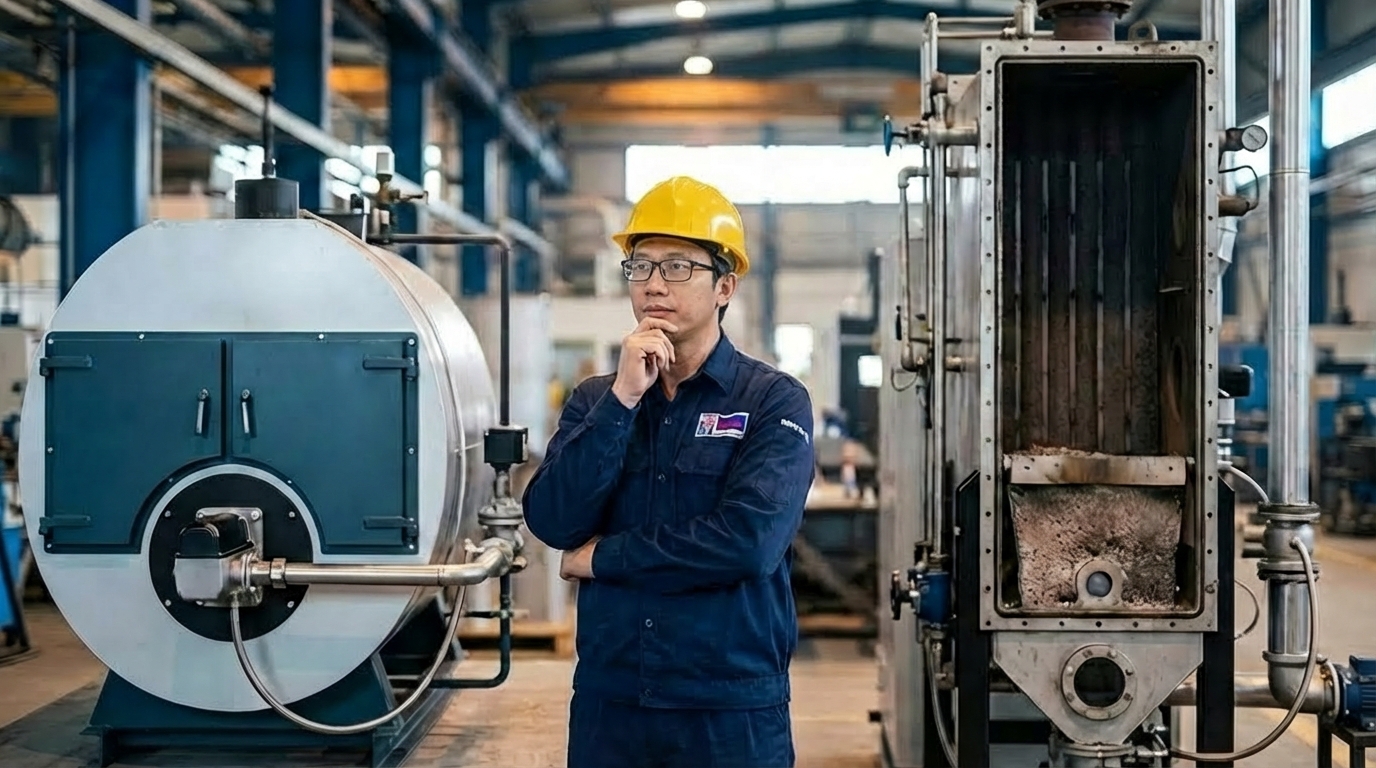
Image 1: A view of the central control room while the boiler is maintaining stable pressure (Photo: Mike Thompson)
The Boiler Matrix: Choose Wrong and You "Marry" Debt
Many folks buying a boiler for the first time are obsessed with the price tag. "That guy quoted me $10,000 less than you." Sure, it’s cheap. But after a year of operation, the extra fuel cost might be ten times that $10,000 savings.
Let me introduce you to the "usual suspects" in the market, with their pros and cons laid bare so you can do the math:
1. Fluidized Bed Boiler – The "Efficiency King"
If you need high capacity and want to burn cheap fuels like rice husks, sawdust, or coal dust, the fluidized bed boiler is the number one choice. The technology keeps fuel suspended like boiling water, burning it completely.
-
The Upside: Extremely high efficiency, massive fuel savings.
-
The Downside: The flue gas treatment system needs to be top-notch, and the fans chew up a fair bit of electricity.
2. Chain Grate Boiler & Reciprocating Grate Boiler – The "Workhorses"
These are the classics. The chain grate boiler has a conveyor belt that feeds fuel slowly. It’s durable, easy to operate, and rarely breaks down. The reciprocating grate boiler (or push grate) is a bit more rugged, specialized for handling large-sized, hard-to-burn fuels like logs or trash.
-
My Advice: If your factory is near a source of lump coal or large firewood, consider these two. They are built like tanks.
3. The Green Trend: Biomass Boiler
In recent years, with oil and gas prices skyrocketing, everyone is rushing to install a biomass boiler. Technically, it can be a grate or fluidized bed type, but it’s designed specifically to burn agricultural and forestry waste. Cheap fuel, plus the reputation of being a "green enterprise." It kills two birds with one stone.
4. Water Tube Gas/Oil Fired Boiler & Fire Tube Gas or Liquid Fuel Boiler
These are for factories located in residential areas or industrial zones with strict emissions regulations. A water tube gas/oil fired boiler or the smaller fire tube gas or liquid fuel boiler is usually compact and clean—push a button, and it runs. No dust, no mess like coal.
-
The Pain Point: It’s clean, alright, but every time you look at the Gas or Diesel bill, it’s eye-watering. Only suitable for factories requiring extreme cleanliness like food, pharmaceuticals, or small-scale operations.
5. The Great "Miser": Waste Heat Recovery Boiler
This one is brilliant. If your factory has excess waste heat (from kilns, gas turbines...), install a waste heat recovery boiler. It utilizes that discarded heat to generate steam.
-
The Holy Grail: Almost zero fuel operating costs. Sounds like music to your ears, doesn't it?
Choosing the "Heart" for Your Factory: Don’t Listen to Sweet Talk
I once met a director of a paper mill. He complained: "Why is the steam ramping up so slowly? It keeps lagging, and the paper breaks constantly!" Upon inspection, I was floored. The factory required a constantly variable load (sometimes low, sometimes peaking), but they had installed a boiler designed for a stable base load.
So, before you sign that check, ask yourself these three questions:
-
"What fuel is cheapest and most accessible in my area?" Don’t buy a rice husk boiler when you are sitting in the middle of a coal mining region. Transport costs will eat your profits alive.
-
"Is my consumption load erratic?" If your load fluctuates wildly, choose a boiler with a large water volume or a high-level automation system to compensate for pressure changes instantly.
-
"What is my operating budget?" Low initial investment (CAPEX) usually means high operating costs (OPEX). Look at the total cost over 5-10 years, not just the sticker price of the boiler.
"Deadly" Mistakes
Between us, here are the traps that 80% of first-time buyers fall into:
-
Obsession with Oversizing: You need 5 tons/hour but buy 10 tons "just to be safe." The result? The boiler runs at low load, efficiency plummets, and fuel is wasted.
-
Ignoring Water Treatment: If the feed water is hard, within 6 months your pipes will be scaled up like limestone caves. Heat transfer drops, and the risk of explosion skyrockets.
-
Overlooking After-Sales Service: A boiler isn't a TV you buy and forget. It needs maintenance and periodic cleaning. If you buy from a "sell and run" vendor, who are you going to call at 3 AM when things go south?
Final Words
Choosing an industrial boiler has never been easy. It is a balancing act between Engineering and Economics.
Don’t wait until the "cow is lost to fix the barn." Don’t let the siren of a pressure alarm become a nightmare. Find a conscientious consultant, a partner who dares to tell you the hard truths that will save your wallet in the long run.
A healthy, durable "heart" will help your business run the marathon without running out of breath. Trust me, peace of mind is the most valuable asset in production.
Are you torn about which boiler type fits your factory scale? Or are you getting a headache from rising fuel costs?
Drop a comment or send me a message. I don't promise to sell you the cheapest boiler, but I promise to help you find the most "economical" and safe solution. Coffee is on me, let's talk shop!
Related Articles
- Khởi động và ngừng lò hơi đúng quy trình tránh sốc nhiệt (30/07/2026)
- Van an toàn, áp kế, relay mức nước: 3 vệ sĩ của nồi hơi (16/07/2026)
- Nồi hơi cho ngành chế biến thủy sản: cấp hơi hấp, sấy, tiệt trùng ổn định (06/07/2026)
- Hồ sơ kiểm định an toàn nồi hơi cuối năm: cần chuẩn bị gì? (01/07/2026)
- Cách tính công suất nồi hơi theo nhu cầu thực tế (24/06/2026)
Latest News


