


Industrial Boiler Operation Procedure: A Practical Safety Guide for the Shop Floor
Walking onto the shop floor this morning, hearing that familiar "hiss..." of the safety valve lifting slightly... it was a relief. Honestly, after ten years in the game, that sound is sweeter to me than my kid’s piano practice at home.
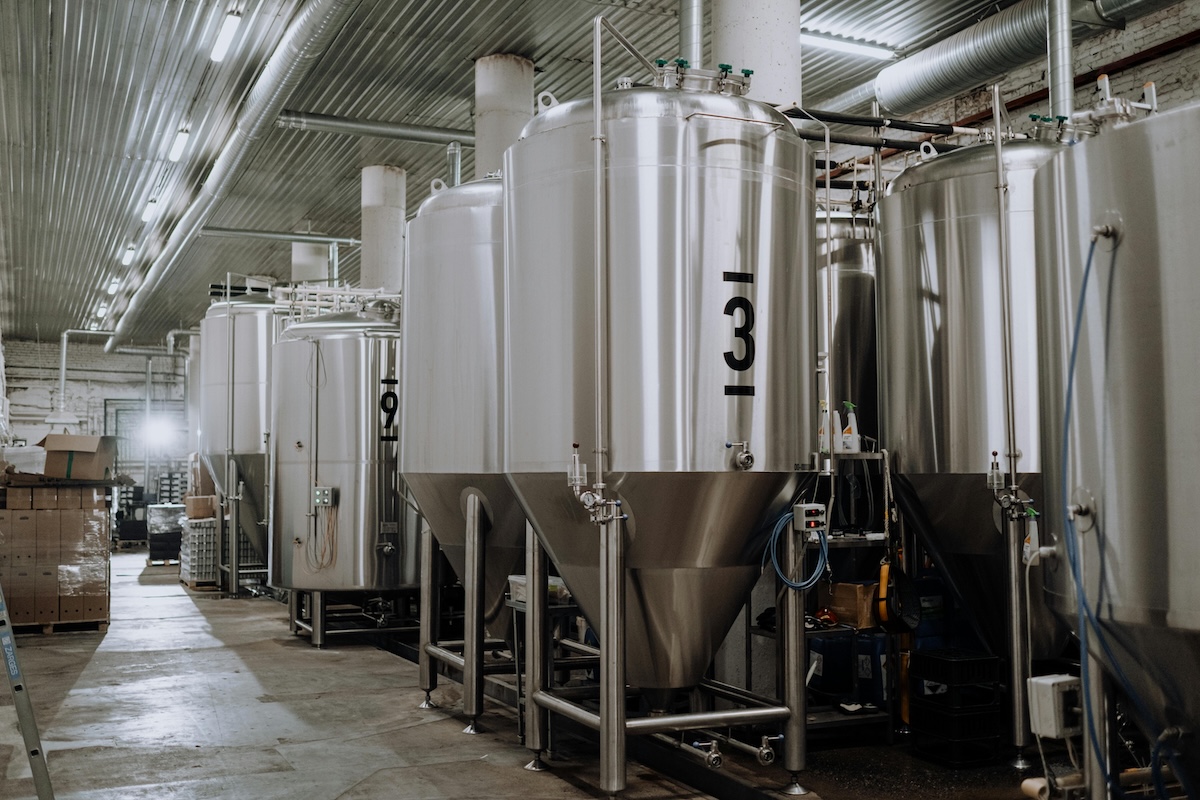
Walking onto the shop floor this morning, hearing that familiar "hiss..." of the safety valve lifting slightly... it was a relief. Honestly, after ten years in the game, that sound is sweeter to me than my kid’s piano practice at home.
But let’s be real, mates. Behind that calm is a constant worry. I’m haunted by the horror stories of boiler explosions from when I was an apprentice, or reading about lads at other plants getting hurt. Sometimes I’m sitting at dinner, I think about the boiler running back at the site, and my blood runs cold.
I still remember the jammed safety valve incident three years ago at my old place. Just because we were lazy with the start-of-shift checks, thinking "it was running fine yesterday," the whole shift nearly paid a heavy price when the pressure spiked past the design limit. We caught it just in time.
That’s why the industrial boiler operation procedure isn't just a piece of paper on the wall to tick a box for the inspector. It’s the lifeline for the operator and the whole factory. Put a foot wrong, and you’ll be cleaning up the mess for months.
Below is the practical experience I’ve scraped together after years of "living and breathing" boilers. For any apprentices, or plant owners looking into safe boiler operation, do yourself a favour and read this through.
Don't mess with the "Heart" of the factory
Think of it like this: the boiler is exactly like a human heart. It pumps energy to feed the entire production line. If it stops, the plant halts. If it has a "heart attack" (blows up), it’s a catastrophe.
Why do I bang on about strictly following the boiler operation process?
Because I’m scared.
Scared of lads getting complacent, skipping a water check because they’re "feeling lazy," letting the boiler run dry, the steel turning red hot, and then pumping in cold water... BOOM. No amount of money fixes that. Following the industrial boiler safety rules isn't about compliance; it's about making sure we all get home for tea with the family tonight.
The Non-Negotiables: Checks Before You Press Start
1. The "Cold" Check:
Before you fire anything up, walk the floor. Don't blindly trust the handover log from the previous shift. Machines develop gremlins overnight or between shifts.
2. Valve System:
Check all main steam valves, blowdown valves, and feed water valves. If it needs to be shut, crank it shut. If it needs to be open, open it fully. No half-measures or leaving things "dangling."
3. Water Level:
Look at the sight glass (gauge glass). The water level must be in the safe zone (usually ±50mm from the midline). If the glass is murky or scaled up and you can't see the water, clean it immediately. Whether you are running a safe boiler operation or not depends 50% on this piece of glass.
4. Power and Control Panel:
Check the power indicators. Are all phases present? Any loose wiring? Smell any burning plastic or see rat damage?
5. Fuel:
Oil, gas, coal, or biomass – make sure you’ve got enough for the shift. Are the pumps and fans spinning freely?
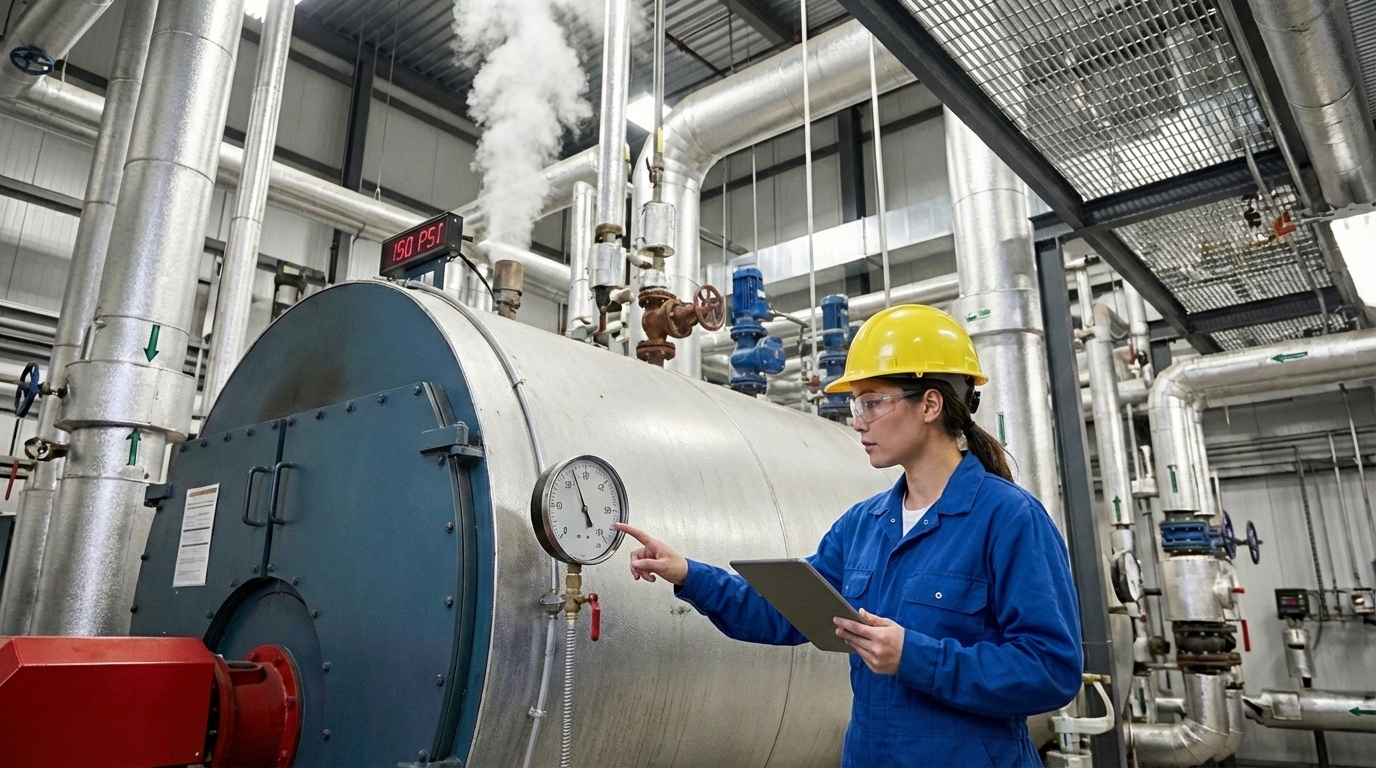
Engineer checking industrial boiler pressure before the shift (Photo: Long Huynh)
Industrial Boiler Operation Procedure (The Real Steps)
Right, checks are done. Let’s get to work. These are the steps I follow every day to ensure safe boiler operation.
1. Start-up (Firing)
-
Purge the Furnace: Run the forced draft fan for 5-10 minutes first. This blows out any residual gas or oil fumes in the combustion chamber. This step is critical to avoid a furnace explosion when you light the igniter.
-
Fuel and Ignition: Follow the specific manual for your kit (chain grate, fixed grate, or burner).
-
Warm-up Slowly: Don't force the boiler to heat up too fast. The refractory brickwork and the steel shell need to expand evenly. Rush it, and you’ll crack the walls or spring a leak in the tubes. Open the air vent valve lightly to chase out non-condensable gases. When you see white steam spraying out, close it.
2. Supplying Steam (Coming Online)
This is prime time for water hammer.
-
When the pressure nears the working limit, do a preliminary blowdown to clear sediment.
-
Open the Main Steam Valve: Open it dead slow. Crack it open just a fraction to warm up the steam lines. Only when the steam is flowing smoothly, without that terrifying "bang-bang" vibration in the pipes, do you open it up fully.
3. Monitoring the Shift
An operator’s job isn’t to sit on their backside once the boiler is running. Keep your eyes peeled:
-
Watch the Pressure Gauge: Ensure stability. If the needle is jumping all over the place, check the feed system or the draft fans.
-
Check Water Levels: Keep it at the midline. Automatic feed systems can get stuck floats; don't bet your life on them working perfectly.
-
Periodic Blowdown: Depending on water quality, blow down at least 1-2 times a shift. Heavy scale buildup reduces efficiency and causes tube explosions due to local overheating.
The Cardinal Sins (Accident Triggers)
In industrial boiler safety, there are rookie mistakes that keep happening:
-
Muting Alarms: Many lads find the low-water or high-pressure siren annoying, so they turn it off. When a real incident happens, nobody knows until it's too late.
-
Tampering with Safety Valves: If the valve is lifting (hissing) too early, instead of recalibrating it, some geniuses tie it down with wire or wedge a weight on it. This is essentially a suicide mission.
-
Pumping Cold Water into a Dry Boiler: This is the number one cause of explosions. If you cannot see water in the sight glass (serious low water), ABSOLUTELY DO NOT pump cold water in. The shell is likely red hot; hitting it with cold water causes instant contraction and a massive steam flash explosion.
When to Emergency Stop?
If you see these situations, don't hesitate, don't ask for permission—hit the kill switch immediately:
-
Serious low water (water disappears from the glass entirely).
-
Pressure parts (shell, tubes) show cracks, bulges, or heavy leaking.
-
Pressure exceeds the limit but the safety valve fails to lift.
-
Failure of feed pumps or safety gauges.
End of Shift Protocol
The shut-down procedure needs to be done by the book to protect the kit for the next shift:
- Reduce load gradually, cut the fuel.
- Let the fan run a bit longer to cool the combustion chamber before switching off completely.
- Close the main steam valve, lock off the feed valves.
- Do a final blowdown while the pressure is lower to flush out the sludge.
Honestly, boiler operating is about "nurturing" the machine. If you look after it and follow the industrial boiler operation procedure, it serves you safely and efficiently. Skip a small step because you're lazy, and the price might be your career. Don't just memorize this; understand it and do it with care.
Stay safe on your shift, lads. Keep that pressure steady!
Related Articles
- Khởi động và ngừng lò hơi đúng quy trình tránh sốc nhiệt (30/07/2026)
- Van an toàn, áp kế, relay mức nước: 3 vệ sĩ của nồi hơi (16/07/2026)
- Nồi hơi cho ngành chế biến thủy sản: cấp hơi hấp, sấy, tiệt trùng ổn định (06/07/2026)
- Hồ sơ kiểm định an toàn nồi hơi cuối năm: cần chuẩn bị gì? (01/07/2026)
- Cách tính công suất nồi hơi theo nhu cầu thực tế (24/06/2026)
Latest News


